
-
ASSERTIVENESS TRAINING

Developing assertive communication involves changing internal beliefs and practicing techniques. Key steps include challenging unhelpful thoughts, using micro-assertions in low-risk situations, mastering assertive language, rehearsing scenarios, and building emotional tolerance. A structured 14-day plan helps integrate these skills, enhancing relationships through honest communication despite potential initial resistance.
-
The Art of Self-Expression: How to Master Assertiveness
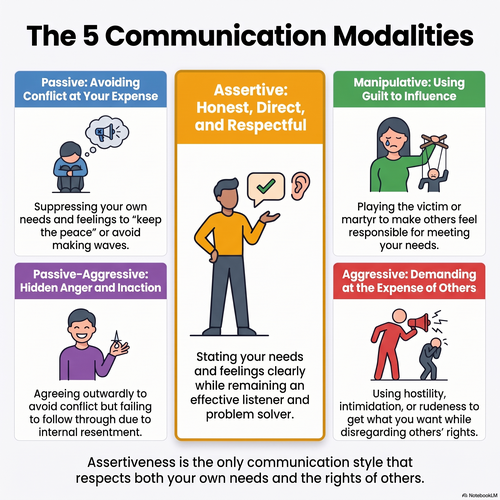
Assertiveness represents a vital shift in interpersonal communication, balancing passive and aggressive behaviors. It fosters personal agency and clarity, reducing misunderstandings in interactions. Although psychological barriers exist, effective assertiveness enhances well-being, relationships, and self-esteem. Ultimately, it cultivates respect and dignity, strengthening connections through honest expression of needs and boundaries.
-
Burdens of Intrusive Memories Explained

Many people carry intrusive, unpleasant memories that drain emotional energy and distort self-identity. These memories, retained due to the brain’s negativity bias, can lead to ruminative thought patterns. Instead of erasing the past, individuals should aim to change their relationship with these memories, emphasizing self-compassion and acceptance to reduce their psychological weight.
-
Psychological First Aid (PFA) training manual
This training manual outlines Psychological First Aid (PFA), a supportive approach for alleviating distress after a crisis. PFA is not therapy and can be administered by trained individuals, not just licensed professionals. The manual encourages subscribers to access additional free resources for personal and professional development.
-
The Science of Relaxation: Reset Your Body and Mind

Many people experience stress characterized by being “wired and tired” due to ongoing demands on their nervous systems. Understanding the autonomic nervous system helps us shift from survival to repair mode. Techniques like breath control, progressive muscle relaxation, and mindfulness can facilitate this transition. Regular practice enhances resilience, supporting mental and physical health.