-
10 core skills training module
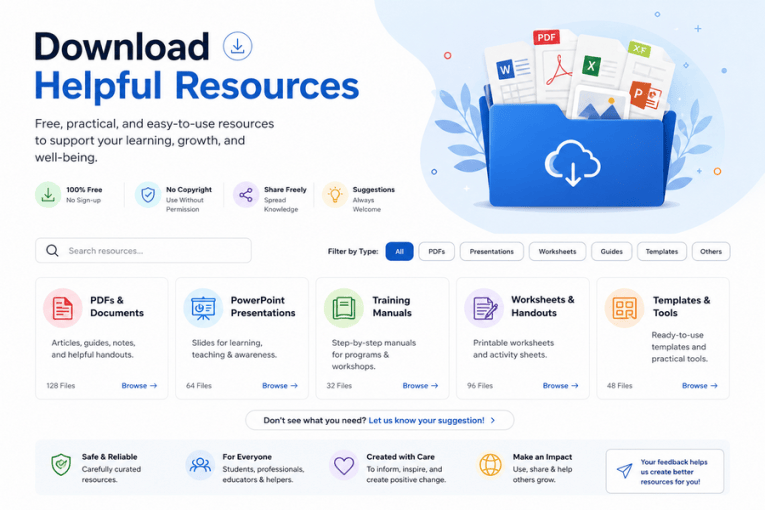
The WHO defines life skills as essential abilities for managing everyday challenges. This course offers 10 core competencies, including Critical Thinking and Stress Management, to foster resilience and informed decision-making. By mastering these skills, individuals can transition from external dependence to independent self-regulation, enhancing personal well-being and productivity.
-
The Art of Time: Transforming Daily Habits into Lifelong Wealth

The article discusses the importance of viewing time as an investment rather than a mere consumption for instant gratification. It emphasizes personal development through education, creativity, and resilience as foundational elements. Small, consistent actions lead to significant growth over time, ultimately resulting in a capable and secure self. True wealth lies in self-trust and adaptability.
-
Building Trust Through Transparency
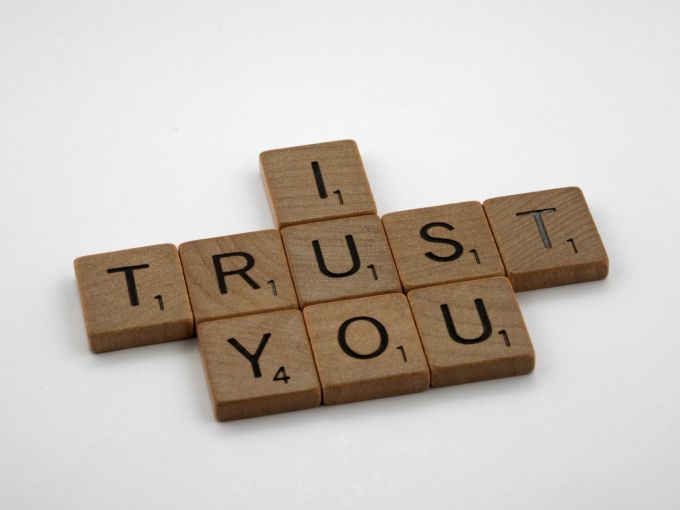
Building trust requires transparency, not grand gestures or perfection. Strong relationships thrive on honesty and context, which eliminate uncertainty. Sharing struggles, admitting mistakes, and setting boundaries fosters alignment and acknowledges human flaws. By being real, even in difficult conversations, trust deepens, creating resilient connections. Start with a small truth today.
-
Metacognition: The Mental Tool for Self-Improvement
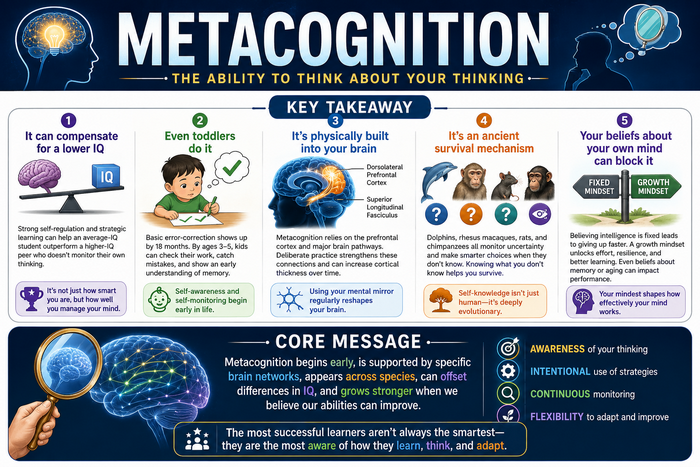
Metacognition, or thinking about thinking, helps individuals recognize mental confusion and adjust their strategies for smarter learning. It begins in childhood and is critical for success, surpassing IQ. Tools like the Strategy Evaluation Matrix and Reflection Framework promote awareness and adaptability, enabling effective learning and personal growth.
-
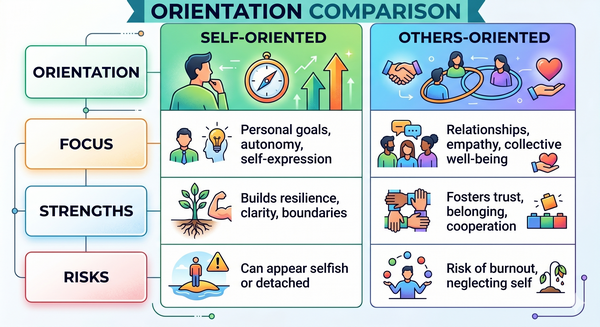
Understanding Self vs. Others Orientation in Psychology