
Four Paradigm Shifts That Changed Mental Health Worldwide
Observed every year on October 10, World Mental Health Day—established by the World Federation for Mental Health (WFMH) in 1992—serves as a vital global platform to drive education, combat social stigma, and advocate for systemic policy changes.
Each year’s designated theme zeroes in on a specific pressing dimension of psychological well-being, shifting the global dialogue from reactive care toward systemic prevention, human rights, and equitable access.
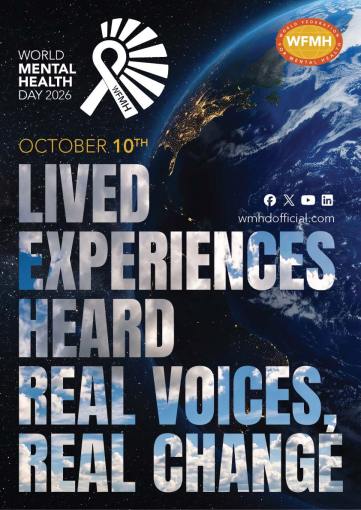
World Mental Health Day 2026’s theme is “Lived experiences heard: real voices, real change.”

Over the past decade (2016–2025), the global conversation surrounding mental health underwent a fundamental transformation. What began as a push for basic public literacy has evolved into a demand for institutional accountability, workplace reform, and humanitarian crisis response.
Analyze the key trends and thematic shifts in World Mental Health Day themes over the past decade.
Analyzing these themes reveals four distinct paradigm shifts in how international bodies (such as the WHO and WFMH) frame global psychological well-being.
1. From Individual Awareness to Systemic & Workplace Reform
- The Shift: Early advocacy focused heavily on individual coping and localized care (e.g., Psychological First Aid in 2016). Over time, the focus moved toward the structural environments where people spend most of their lives—specifically workplaces.
- Key Themes: 2017 & 2024 (Mental Health in the Workplace)
- Significance: By targeting organizational culture, occupational stress, and employer liability, the movement shifted the burden off the individual (“manage your stress”) and placed it onto systems (“create non-toxic environments”).
2. The COVID-19 Catalyst: Investment & Universal Access
- The Shift: The 2020–2022 period marked an urgent pivot driven by the pandemic. The narrative rapidly moved from raising general awareness to demanding infrastructure funding and policy integration.
- Key Themes: 2020 (Increased Investment), 2021 (Mental Health Care for All), 2022 (Global Priority)
- Significance: The pandemic exposed severe global underfunding and deep health inequities. The messaging during these years forced governments to view mental health not as an “add-on” service, but as a core pillar of public health expenditure and primary care infrastructure.
3. The Rights-Based Paradigm: From “Care” to “Human Rights”
- The Shift: For decades, mental healthcare was framed through a clinical or medical lens. The 2023 theme marked a definitive turn toward a legal and ethical framework.
- Key Themes: 2023 (Mental Health is a Universal Human Right)
- Significance: Reframing mental health as an undeniable human right directly challenges forced treatments, institutionalization, discrimination, and the geographic disparities in care access worldwide.
4. Navigating Global Instability & Polycrisis
- The Shift: Recent messaging reflects a world grappling with geopolitical conflict, climate displacement, and economic volatility.
- Key Themes: 2025 (Access to Services – Mental Health in Catastrophes and Emergencies)
- Significance: This transition acknowledges that acute trauma is no longer isolated to clinical settings; public health infrastructure must now build psychosocial support directly into disaster response, refugee care, and emergency preparedness.
The Core Takeaway
In ten years, the global dialogue successfully migrated from the clinic to the boardroom, and ultimately to human rights and crisis response. Mental health is no longer treated as a personal medical issue, but as a socioeconomic and humanitarian priority.