
-
What Dreaming Actually Does to Your Brain While You Sleep

During sleep, the brain performs essential functions including calming emotions, reorganizing memories, aiding learning, sparking creativity, and acting as a stress buffer. Dreams, though often strange, reflect this active processing. They reveal how the brain handles emotions and information, preparing individuals for a fresh start each day.
-
Cognitive Labeling: Why the Story You Tell Yourself Matters More Than What Happened
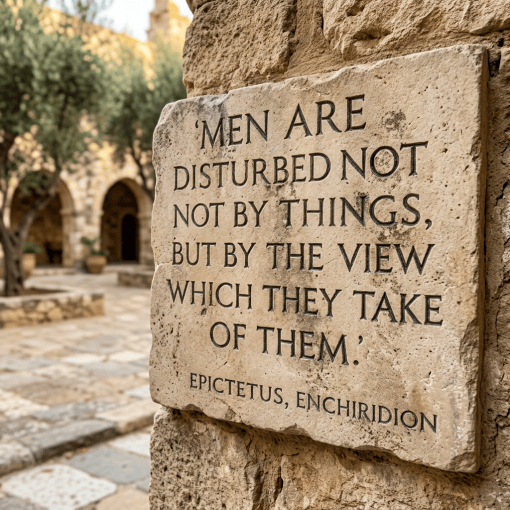
Experiences such as losing a client or facing a breakup are neutral events; it’s our interpretations that shape our emotions. Cognitive psychology emphasizes the importance of how we label these events, influencing our long-term mental health. Adopting constructive self-talk can help reframe experiences and promote personal growth.
-
Social Media Comparison Effects – Practical Psychological Insights
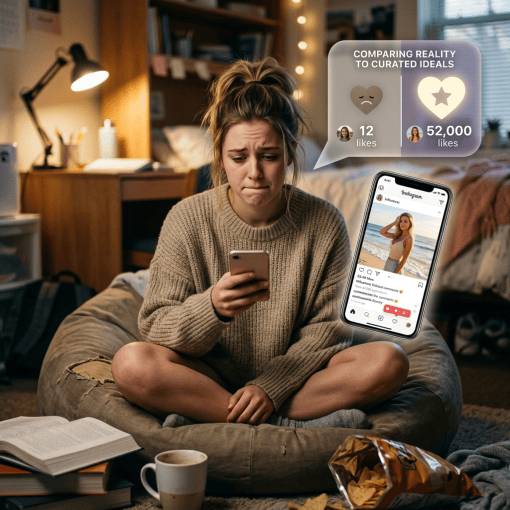
The post discusses the psychological effects of social media, particularly upward social comparison, where users feel inadequate compared to idealized profiles. It emphasizes the distinction between passive scrolling and active engagement, urging a mindset shift towards self-awareness and gratitude. Practical steps for healthier digital interactions are also provided.
-
Beyond Positive Thinking: Embracing Appropriate Thinking

The concept of Appropriate Thinking promotes a balanced mental approach over traditional positive or negative thinking. It emphasizes aligning thoughts with reality, using evidence-based evaluations, and fostering resilience. This cognitive framework aids mental health by encouraging clear assessment rather than succumbing to emotional biases, ultimately leading to more effective decision-making and adaptability.
-
The Invisible Bubble: What Science Says About the Personal space
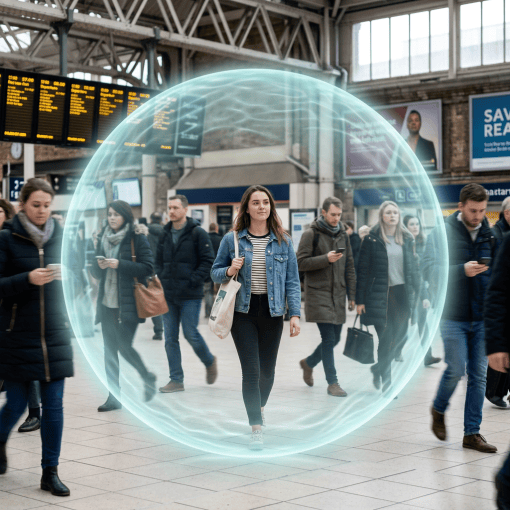
Personal space is crucial for survival, helping regulate stress and assess threats. Our brain’s peripersonal space (PPS) adapts based on intent and anxiety, influencing interactions and empathy. The pandemic shifted distance preferences, highlighting the biological basis of spacing behavior. Recognizing personal space dynamics can improve social interactions and reduce crowd-related stress.