
-
Unlocking Emotional Health: The Window of Tolerance Explained
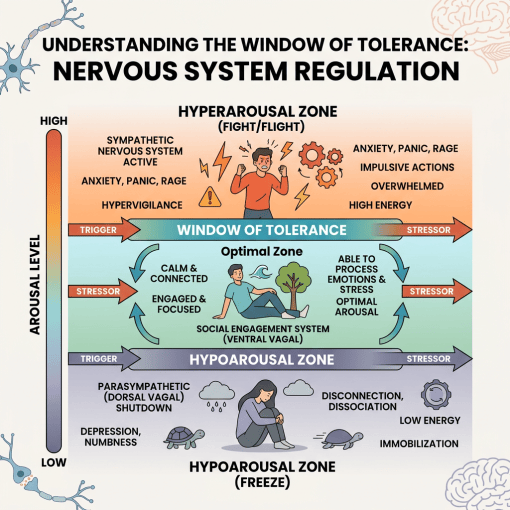
Understanding and regulating your nervous system is essential for emotional health. The Window of Tolerance explains how stress affects mental clarity and emotional responses. By practicing mindfulness, deep breathing, and self-care, you can expand this window, fostering resilience and healthier relationships as you learn to navigate stress more effectively.
-
How Your Mood Changes Throughout the Week

The weekly mood curve reveals a consistent emotional pattern across the workweek, with mood dips on Mondays and peaks on Saturdays. Psychological factors, such as autonomy and the anticipation of weekends, and biological drives, like social jetlag, influence this rhythm. Recognizing and adapting to this pattern can enhance weekly well-being.
-
Learned Helplessness: Causes and Solutions Explained
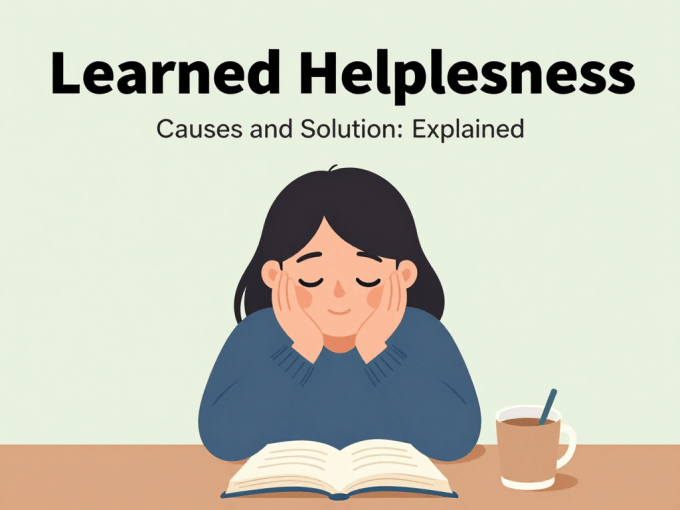
Learned helplessness is a psychological state where individuals believe their actions do not influence outcomes, leading to decreased motivation and emotional distress. It develops through repeated exposure to uncontrollable failures. To combat this, one can adopt a healthier attribution style, celebrate small wins, and focus on controllable actions to build resilience.
-
Why Boredom Matters: Psychological Insights
Boredom is not merely an absence of activity, but a complex psychological state signaling unmet needs for engagement and meaning. It can foster creativity but is also linked to risks such as depression and addiction. Understanding boredom can lead to personal growth by addressing its underlying messages.
-
Major and Minor Stressors: Complete List with Stress Ratings
Stress is an inherent aspect of life, arising from both significant events, such as loss or illness, and daily challenges. Major stressors demand substantial adjustment, while minor stressors accumulate over time, leading to chronic distress. Recognizing these differences is crucial for effective stress management and overall well-being.