
-
Practical Strategies to Enhance Self-Regulation Skills
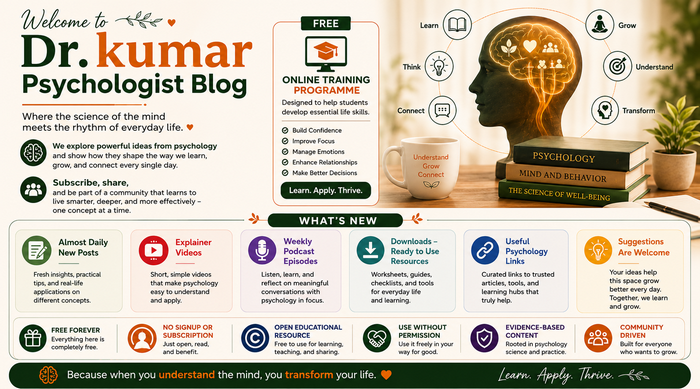
Self-regulation involves the ability to align actions with long-term goals despite immediate temptations. It encompasses monitoring, modulation, and reflection. While traditionally viewed as a fixed trait, recent research shows it can be developed through practice and environmental design, emphasizing the importance of awareness and strategy over sheer willpower.
-
Steps to Manage Anger: A Comprehensive Guide
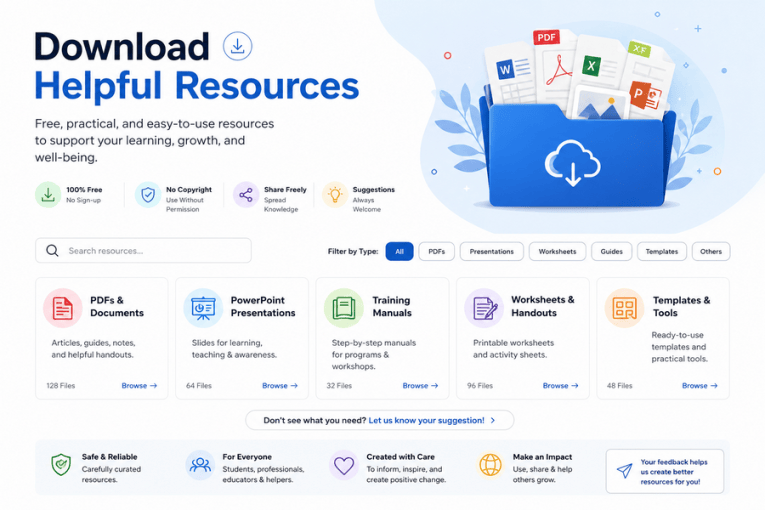
Effective anger management involves emotional agility rather than suppression. Key steps include self-awareness to identify triggers, immediate physiological regulation techniques, naming emotions, cognitive reappraisal to challenge thoughts, and assertive communication. Long-term strategies include mindfulness practices and seeking professional support when necessary to maintain control over anger.
-
Transforming Struggles: The Power of Mature Defense Mechanisms

The article discusses three mature psychological habits, sublimation, altruism, and humor, that transform difficult emotions into positive outcomes. These habits enhance resilience, mental health, and life satisfaction by redirecting emotional energy towards creativity, helping others, and finding humor in struggles. Adopting these practices can lead to a more fulfilling life.
-
Coping with Caregiving Stress: Essential Tips for Caregivers
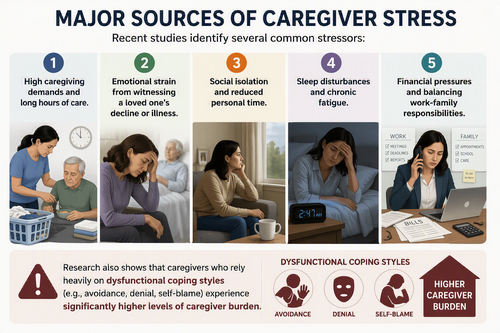
Millions care for loved ones with chronic illnesses, often facing emotional and physical exhaustion known as caregiving stress. This long-term strain can lead to anxiety, depression, and burnout. The goal is not to become a “perfect caregiver.” It is to become a healthy caregiver—someone who cares for others while also protecting their own physical, emotional,…
-
Understanding Family Therapy: Healing the System

Family therapy views the family as an interconnected system, where changes in one member influence the entire family, and healing occurs through improving relationships, communication, and family functioning. By involving multiple family members, therapists aim to improve communication, foster responsibility, and build resilience. This proactive approach helps prevent crises and creates a safer environment for…