
-
Match Your Stress to the Right Recovery Activity
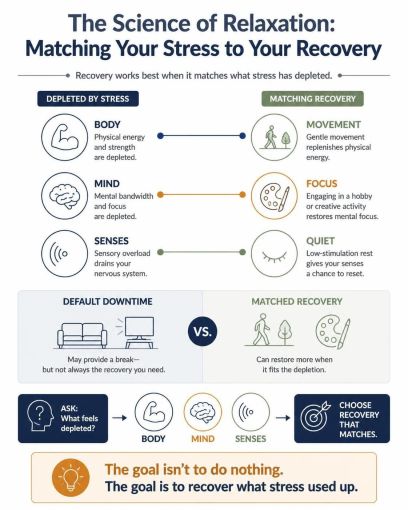
Relaxation involves diverse recovery strategies tailored to address specific psychological and physiological needs. Effective recovery requires matching activities with deficits, such as seeking nature for mental fatigue or engaging socially for emotional support. Active relaxation often outperforms passive activities, while mindfulness and relaxation serve distinct purposes in stress management.
-
Why We Struggle to Change Our Bad Habits
Many struggle with lifestyle dissonance, where unhealthy habits clash with the desire for good health. These ingrained behaviors are influenced by immediate rewards versus long-term costs and environments favoring unhealthy choices. Sustainable change requires addressing emotional triggers and redesigning surroundings, rather than relying solely on willpower.
-
The Psychological Influences on Medical Decision-Making
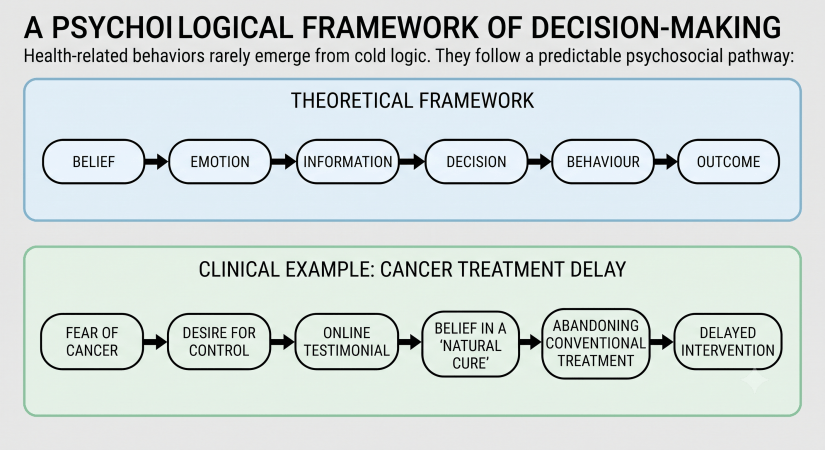
The post highlights the complex emotional factors influencing health decisions during serious illness, showcasing how fear and hope drive choices between conventional and alternative medicine. It emphasizes the need for evidence-based evaluation of health interventions and the importance of supportive care without replacing necessary treatments, urging empathetic communication for informed decision-making.
-
Equanimity Explained: Benefits for Mental Health and Resilience
-
The Power of People: Transforming Communities Together

People power refers to the collective ability of individuals to create change through shared goals and mutual support. Research highlights that groups with trust and collective efficacy achieve better outcomes than individuals alone. This power enhances personal well-being, fosters participation, and enables organizations and communities to solve problems and drive social change.